|
Adjusting to a new home and making it accessible͏ ͏ ͏ ͏ ͏ ͏ ͏ ͏ ͏ ͏ ͏ ͏ ͏ ͏ ͏ ͏ ͏ ͏ ͏ ͏ ͏ ͏ ͏ ͏ ͏ ͏ ͏ ͏ ͏ ͏ ͏ ͏ ͏ ͏ ͏ ͏ ͏ ͏ ͏ ͏ ͏ ͏ ͏ ͏ ͏ ͏ ͏ ͏ ͏ ͏ ͏ ͏ ͏ ͏ ͏ ͏ ͏ ͏ ͏ ͏ ͏ ͏ ͏ ͏ ͏ ͏ ͏ ͏ ͏ ͏ ͏ ͏ ͏ ͏ ͏ ͏ ͏ ͏ ͏ ͏ ͏ ͏ ͏ ͏ ͏ ͏ ͏ ͏ ͏ ͏ ͏ ͏ ͏ ͏ ͏ ͏ ͏ ͏ ͏ ͏ ͏ ͏ ͏ ͏ ͏ ͏ ͏ ͏ ͏ ͏ ͏ ͏ ͏ ͏ ͏ ͏ ͏ ͏ ͏ ͏ ͏ ͏ ͏ ͏ ͏ ͏ ͏ ͏ ͏ ͏ ͏ ͏ ͏ ͏ ͏ ͏ ͏ ͏ ͏ ͏ ͏ ͏ ͏ ͏ ͏ ͏ ͏ ͏ ͏ ͏ ͏ ͏ ͏ ͏ ͏ ͏ ͏ ͏ ͏ ͏ ͏ ͏ ͏ ͏ ͏ ͏ ͏ ͏ ͏ ͏ ͏ ͏ ͏ ͏ ͏ ͏ ͏ ͏ ͏ ͏ ͏ ͏ ͏ ͏ ͏ ͏ ͏ ͏ ͏ ͏ ͏ ͏ ͏ ͏ ͏ ͏ ͏ ͏ ͏ ͏ ͏ ͏ ͏ ͏ ͏ ͏ ͏ ͏ ͏ ͏ ͏ ͏ ͏ ͏ ͏ ͏ ͏ ͏ ͏ ͏ ͏ ͏ ͏ ͏ ͏ ͏ ͏ ͏ ͏ ͏ ͏ ͏ ͏ ͏ ͏ ͏ ͏ ͏ ͏ ͏ ͏ ͏ ͏ ͏ ͏ ͏ ͏ ͏ ͏ ͏ ͏ ͏ ͏ ͏ ͏
|
Welcome Taste Buds! It’s been a period of many transitions since the last newsletter, and I’m happy to say that our new place to live is starting to feel like a new home, slowly but surely.
I’ve been having constant reminders that change is hard, scary, and also happening all the time in small ways. We’re experiencing lots of BIG changes, but also working on remembering that the big chaos is temporary as we adjust. We have a yard now, with shady green spaces to enjoy. We went from having a few big rooms to having many more tiny rooms (the number of times I forget to bring things with me to another room…) The new kitchen had no dishwasher, but we managed to get a small portable one to help us keep up. We have different stairs—none just to enter our home, but we still have stairs to access the upstairs and basement.
|
|
As I write this I’m working on returning to normal in my work. I haven’t cooked with any clients from my new kitchen yet, but I’m eager to learn more about how this new space will interact with my work! If you or someone you know might be interested in having positive and affirming experiences in the kitchen, I would be honored to have the opportunity to work with you/them.
Be well,
Jex |
|

|
|
|
|
Send FoodzFood pictures, stories, and connection from my kitchen (and yours)!
|
|
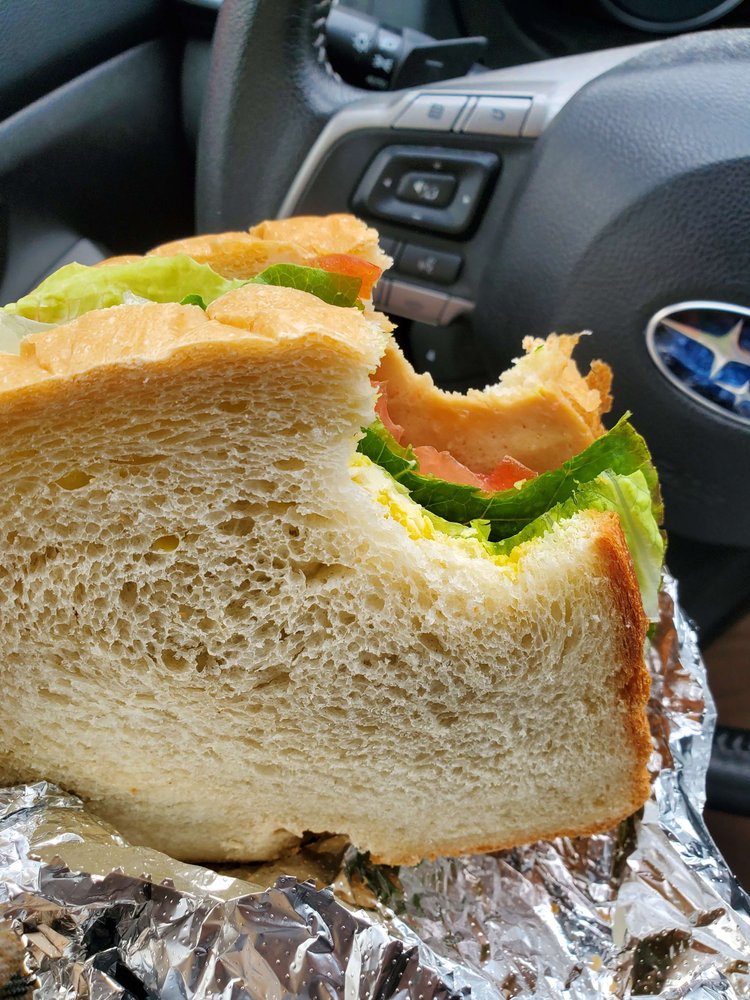
I rarely feel nourished when eating on the go (with the exception of road trip snacks!), and I will never take a table and chair for granted again. The first few meals at the new house were not my favorite, but at least we weren’t trying to eat something in the car or while driving. |
|
|
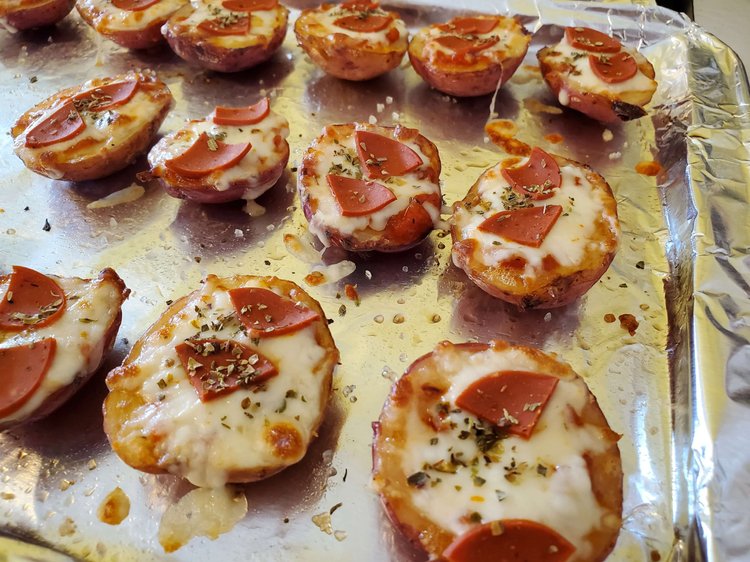
One of the last things I made at the old place was similar to these pizza potato skins! We had lots of baked potatoes leftover (because they were an easy food to make a meal with), so I scooped out the centers and added some pizza sauce, mozzarella cheese, and oregano. The scooped centers got mashed and added into some bean and cheese quesadillas—nothing went to waste! |
|
|
|
|
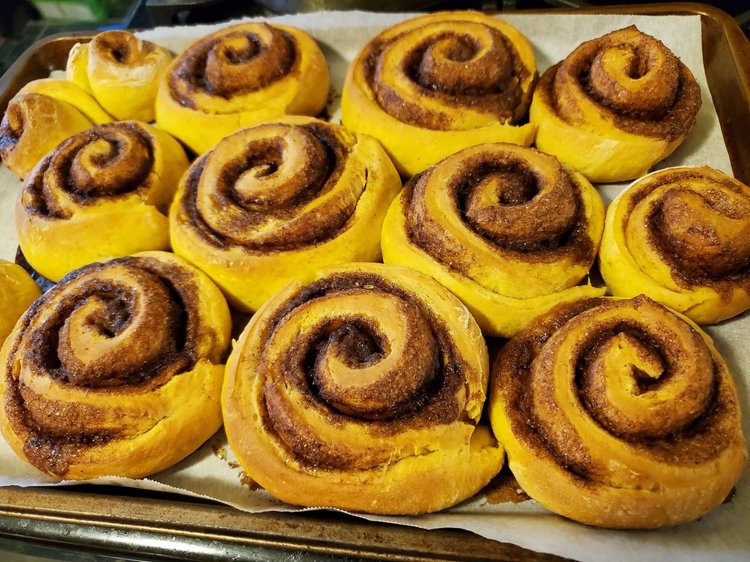
I knew cinnamon rolls were the first thing I wanted to bake in the new house. Something about cinnamon smells makes a place feel so cozy! The ones I made were from a can and not as tasty as the ones pictured here, but they certainly met the olfactory requirement! |
|
|
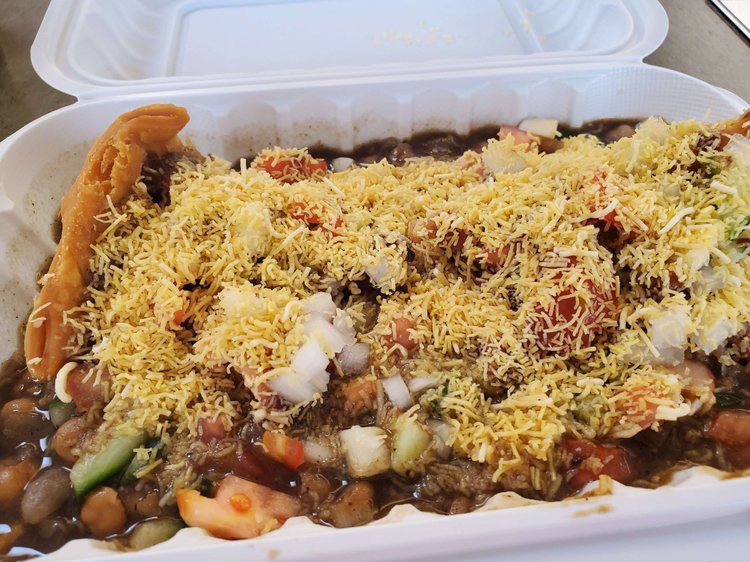
We tried a nearby Indian restaurant, which has diversified their menu significantly (pizza, wings, tacos, burgers and fries, mac n cheese, subs…even fried rice). I was really craving well-seasoned food, especially since we hadn’t unpacked our spices yet! The saag paneer (spinach and paneer cheese) was my favorite, and next time I’m hoping to find something like the samosa chaat pictured here that I devoured a few months ago. |
|
|
|
|
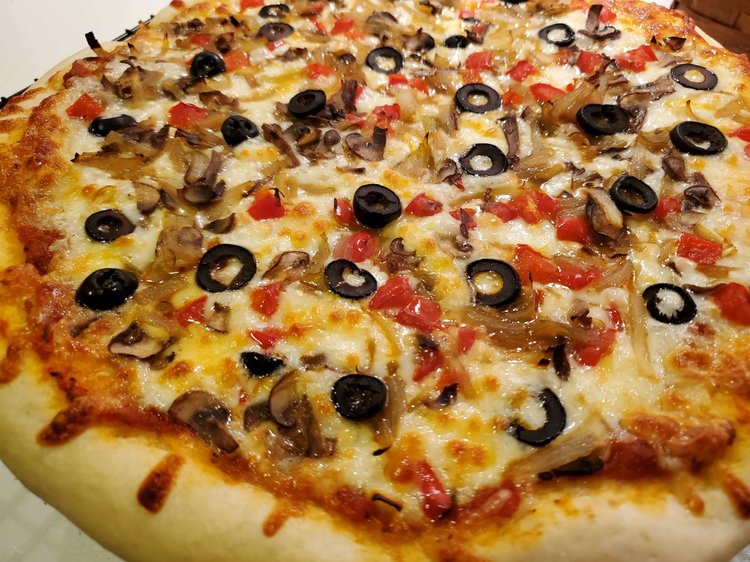
We haven’t been able to make our own pizza yet, but we’ve tried some of the nearby pizza shops (that all also have tacos)! The one right on the corner is a bit pricey for pizza toppings, but we love their calzones. And there’s a place called Emergency Pizza that’s good–their mushroom pizza was the best I’ve had in a while–even if it’s not an emergency! |
|
|
|
Want to send foodz? Reply with a photo/story and we'll try to include it in the next Queer Kitchen Connection!
|
What’s Cooking?Upcoming special events—Food Focused Nutrition-related or otherwise!
|
|
I’m not hosting another group food-play adventure until mid-December, but that doesn’t mean you can’t participate in a group adventure if you want! I’m always delighted to schedule private group adventures. If you have a group (family, friends, colleagues, or another group of people you know) and want to prepare something together or learn something about food and nutrition, reach out and let’s chat about it! The holidays will also be sneaking up on us in the next few months, and those can be some very busy and stressful times to prepare food. If you’d like to find more ease in preparing holiday nourishment, I’d love to support you in preparing traditional favorites and/or discovering new options that meet your holiday needs in different ways.
PS—If you’d like to suggest a date for the Graham Cracker House Food-Play Adventure coming up in mid-December, send me a reply! I usually pick a Sunday afternoon (Eastern Time), but I’m open to other days and/or times when folx are available because I know it is a very busy time of year.
|
The IntersectionI'm always working on making Food Focused Nutrition more accessible with baked-in, intentional inclusion. What's the latest step in my journey?
|
|
Moving into and adjusting to a new space can be a lengthy process. Since early August, we’ve been exploring, shifting, organizing, re-organizing, and trying to identify what needs are or aren’t being met while still surrounded by boxed chaos. Once we identify unmet needs, then we start the brainstorming, problem solving, and evaluation phases of trying to meet those needs—again, while surrounded by chaos that slowly but surely is settling into some kind of order.
So many other parts of our new home offer additional storage space, which will be an even greater boon once we experiment more, pack things away, and decide on the best ways to use it. Our floor-to-ceiling kitchen cabinets where I can just barely reach the back at shoulder height are another puzzle for how to effectively use the entirety of these shelves, but it’s less daunting for my brain to adjust to having more space than having less.
|
|
Here’s an example of a big adjustment we grapple with now:
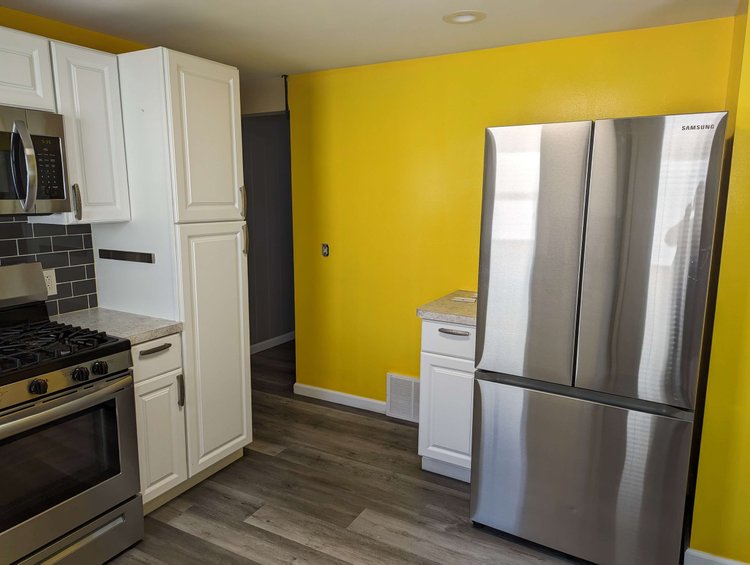
Our refrigerator is a shiny big one with double doors at the top and a freezer drawer at the bottom. I was very excited about this refrigerator, because it looks bigger than the one at the last place, and I’ve seen one like this used by my in-laws in ways that I think would work for me.
When we moved in our perishable foods, I discovered that the interior of the fridge is way smaller than I thought. I had a lot of trouble understanding, because the outside seemed so big; why is the inside so small? So I got out a tape measure. It’s 28” deep on the outside. The shelves inside are only 12-14” deep, and the doors are 8” thick with the wide little pockets on them. So where is that other 6-8 inches of space? In the USA, where we measure with bizarre units all the time, why aren’t refrigerator interiors required to be at least 1 large pizza box in size? Oh, and there’s no cheese drawer, which baffles me to no end. So how are we trying to meet our needs with this refrigerator? Honestly, we haven’t been able to cook much yet, so we’re still learning what our unmet needs are. For one thing, we’re going to stop buying the big family pack sizes of condiments because we just don’t have space anymore. We’re looking into buying clear organizer trays or drawers that can help us divide up the space to contain certain kinds of foods in a more visually and physically accessible way. And I’m trying to start cooking more, even though we’re still unpacking the kitchen, and even though I don’t have access to so many tools I’m used to. This practice of adventuring in the kitchen and nourishing myself and my partner will help me better identify exactly what I need for this refrigerator—and the other parts of my kitchen—to become more accessible to me. I find that the biggest challenge in making something accessible is to keep going and keep trying and keep discovering obstacles. It can be really hard to do this when a space isn’t designed inclusively or with a variety of peoples’ needs in mind (and it can be impossible in an actively disabling environment where there is a power imbalance). But in spaces where we have power, we can identify our needs and explore possible solutions to these barriers, especially when we focus on what we’re learning about ourselves and the world around us. What work have you done/are you doing to make your living spaces more accessible for you? If you need help navigating the process of making your kitchen more accessible, I’d love to support you!
|

|
All contributions to the Pay It Forward Fund support folx in accessing low- or no-cost services with Food Focused Nutrition. Learn more or share my post about the fund on Instagram or Facebook! |
|
|
|
Suggest-ipeBecause the way I see it, all recipes are merely suggestions!
|
Eggplant Parm One-Pot Recipe
I recently discovered this Eggplant Parm One-Pot Pasta recipe, and while I find it a little extra the way the recipe is currently written, it can be adjusted in a lot of ways to make different kinds of one-pot pasta.
Don’t have energy for toasted breadcrumbs? Skip it entirely or have a breaded side of some kind to add that texture.
Replace the eggplant with another vegetable (or several!).
Use a different shape of pasta—maybe even broken lasagna noodles to make a one-pot lasagna-like dish.
Use shredded mozzarella, or swap other shredded cheeses for a different cheesy-tomato sauce.
As with all the Suggest-ipes, I’d love to hear if you try it, and how you made it work for you!
|
That’s all for now!Queer Kitchen Connection is a quarterly newsletter from Food Focused Nutrition. I want this newsletter to be an invitation for us all to foster more connection around food. My dream is that Queer Kitchen Connection will be the start of a conversation, and I welcome you to taste, savor, and share in the creation of community with direct replies to the newsletter.
|
|
Author Jex Calvert, RDN, Food Focused Nutrition
“Edible-in-Chef” Ashley Bovin, Ease Up Consulting
|
|
|
|